Category: Viajes

Recorriendo Latinoamérica y el mundo 🌎

  • MUSEO DE ARTE CONTEMPORANEO ATCHUGARRY (MACA)

    ¡Mirá el vlog en Youtube!


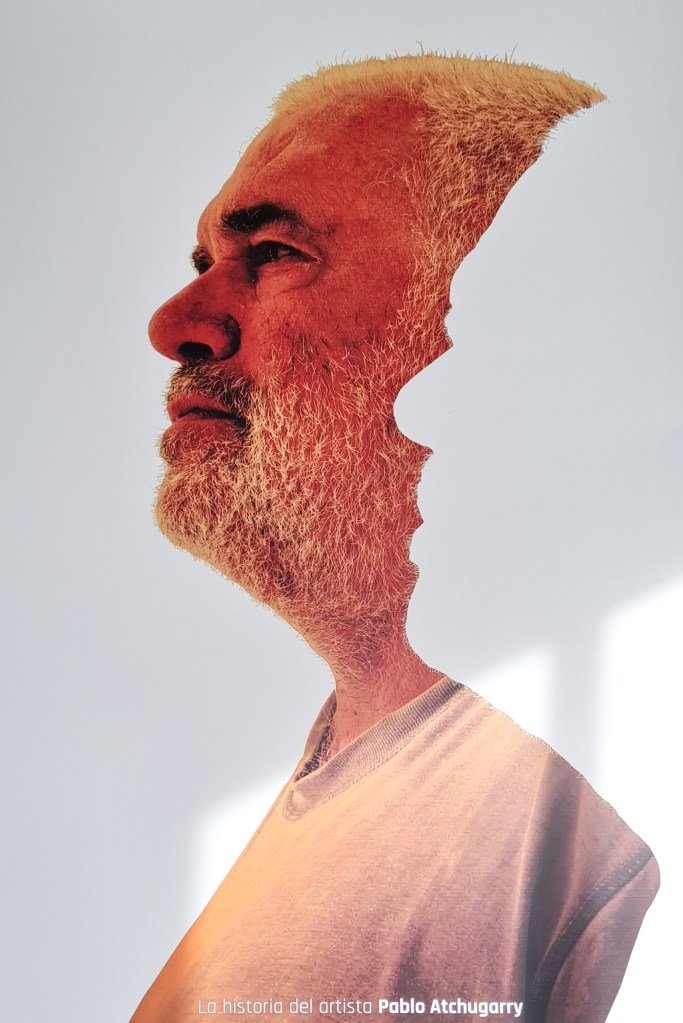
    En el corazón de Manantiales, Uruguay, se encuentra un oasis cultural que rinde homenaje al arte y la naturaleza: la Fundación Pablo Atchugarry. Creada por el artista uruguayo de renombre internacional cuyo nombre lleva, esta institución sin fines de lucro se ha convertido en un referente cultural para la región y el país.

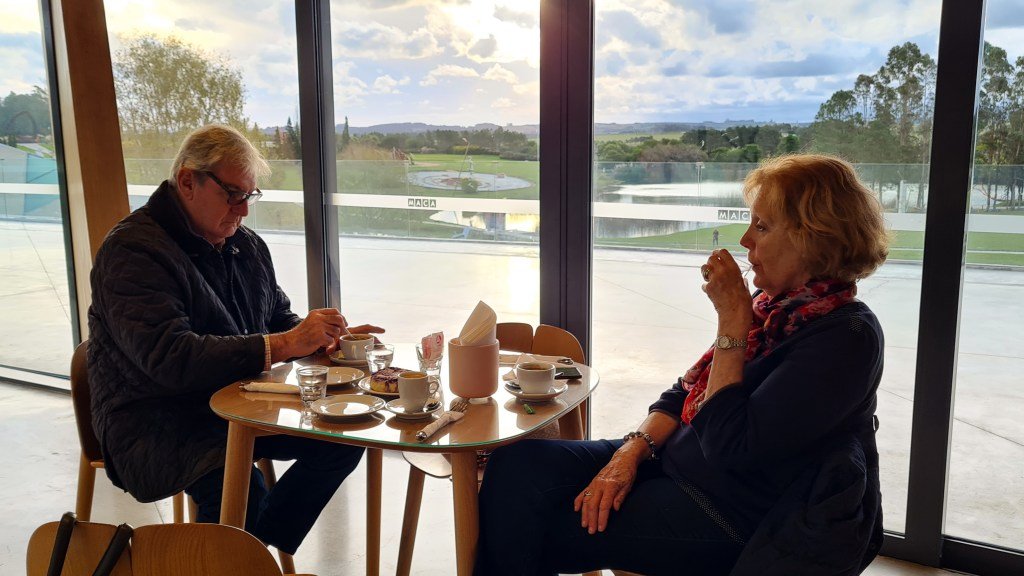
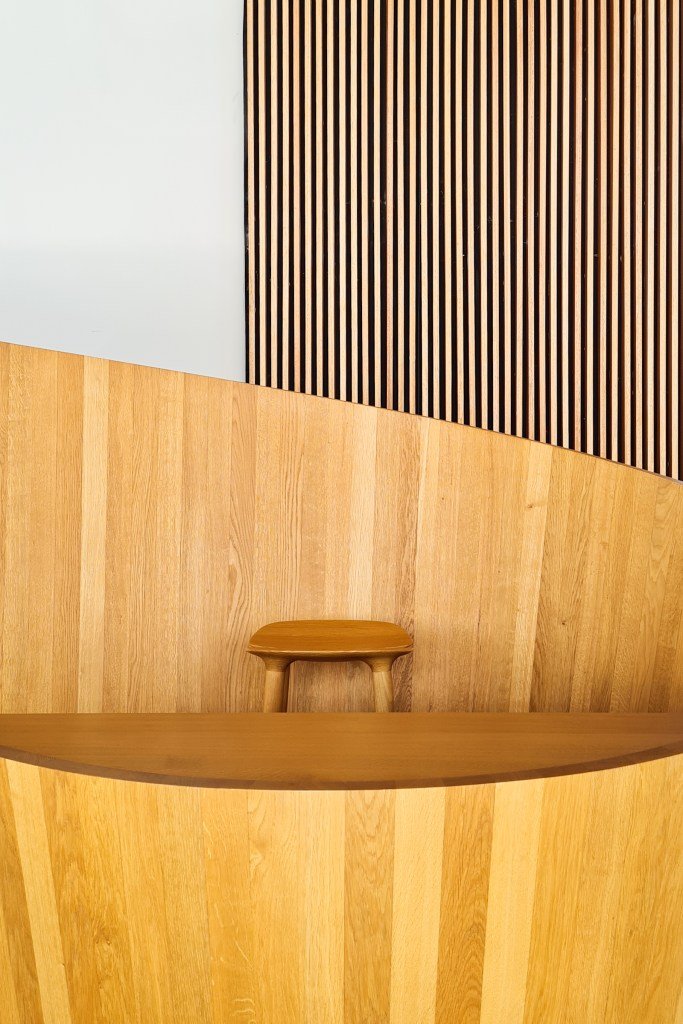
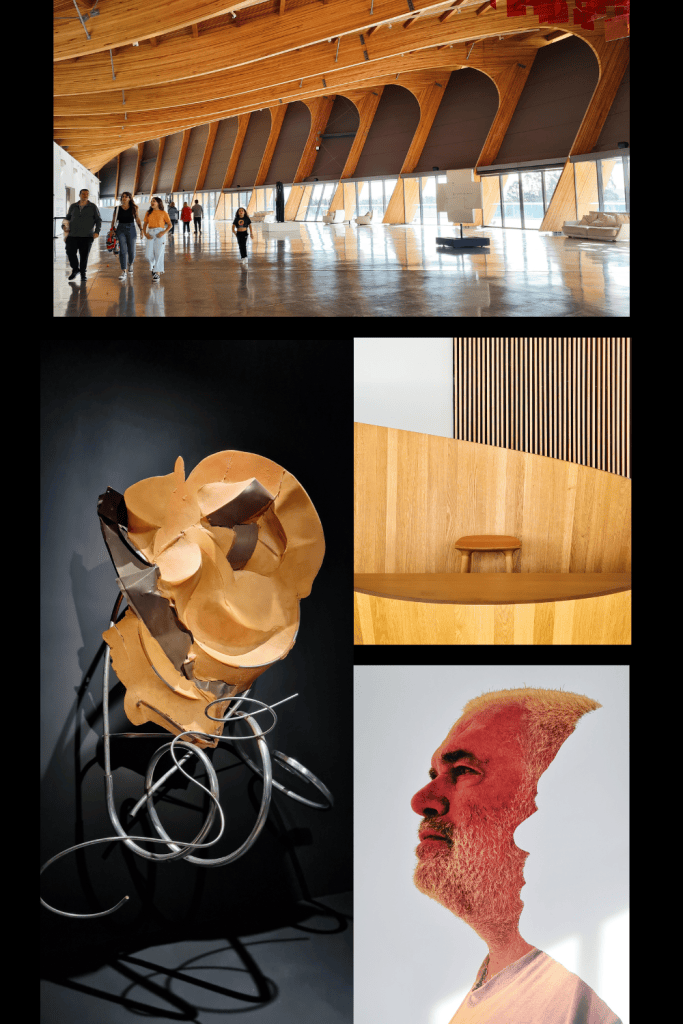
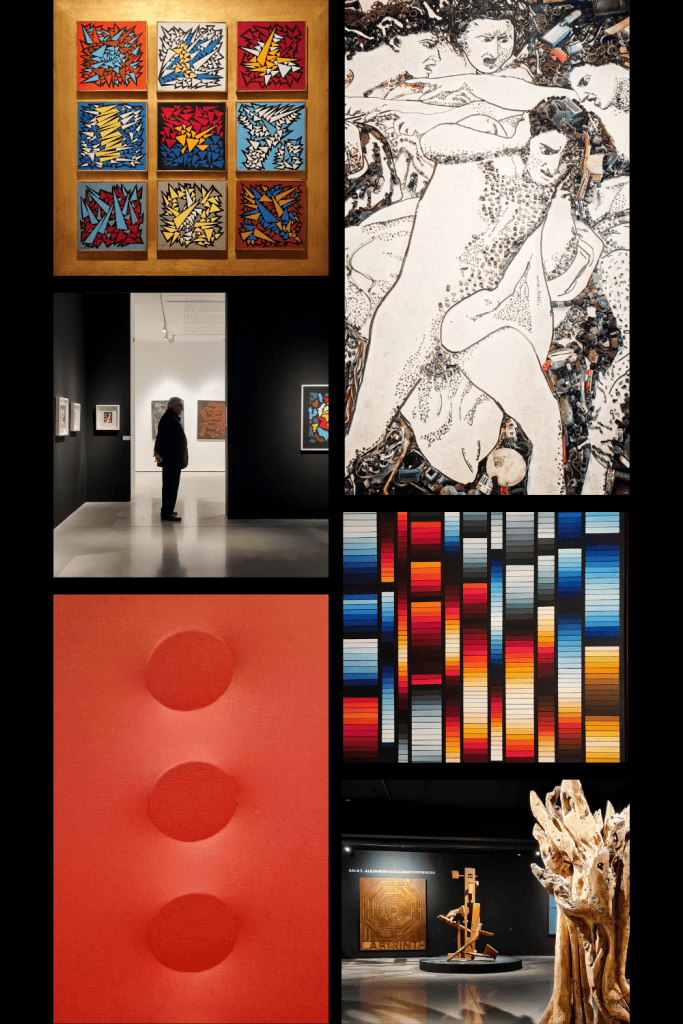
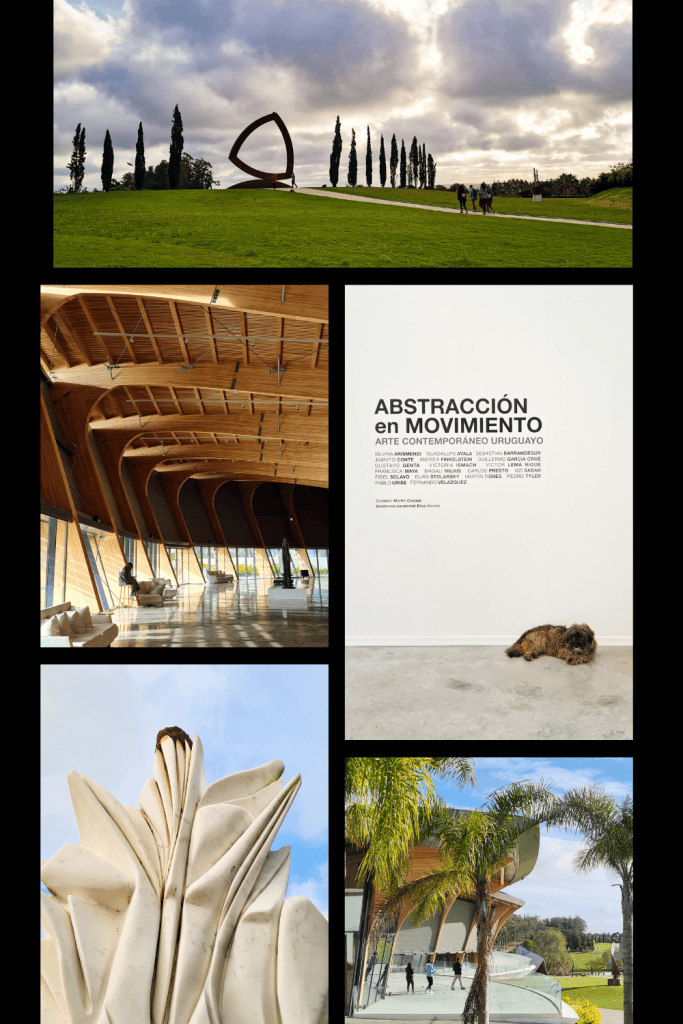
    Inaugurado en 2022, el Museo de Arte Contemporáneo Atchugarry (MACA) representa el proyecto más ambicioso de la Fundación. Con su arquitectura vanguardista y rodeado de un entorno natural incomparable, el museo alberga una colección de arte contemporáneo de primer nivel.

    Recorrer las siete salas de exposición del MACA es embarcarse en un viaje fascinante a través del arte. Cada espacio invita a descubrir diferentes expresiones artísticas, desde la pintura y la escultura hasta la fotografía y las instalaciones.

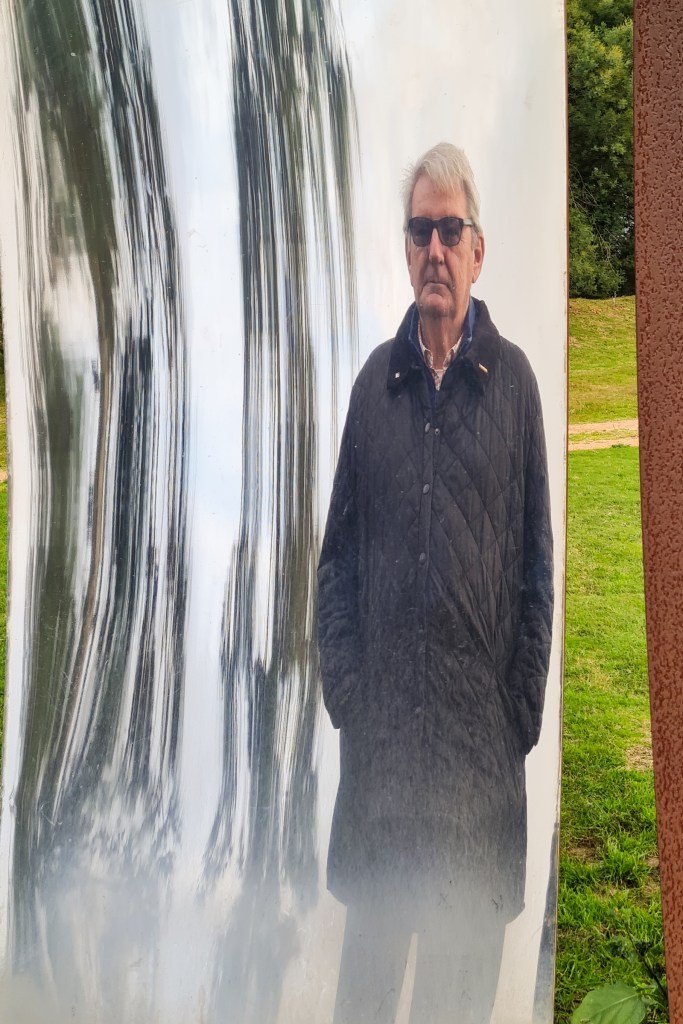
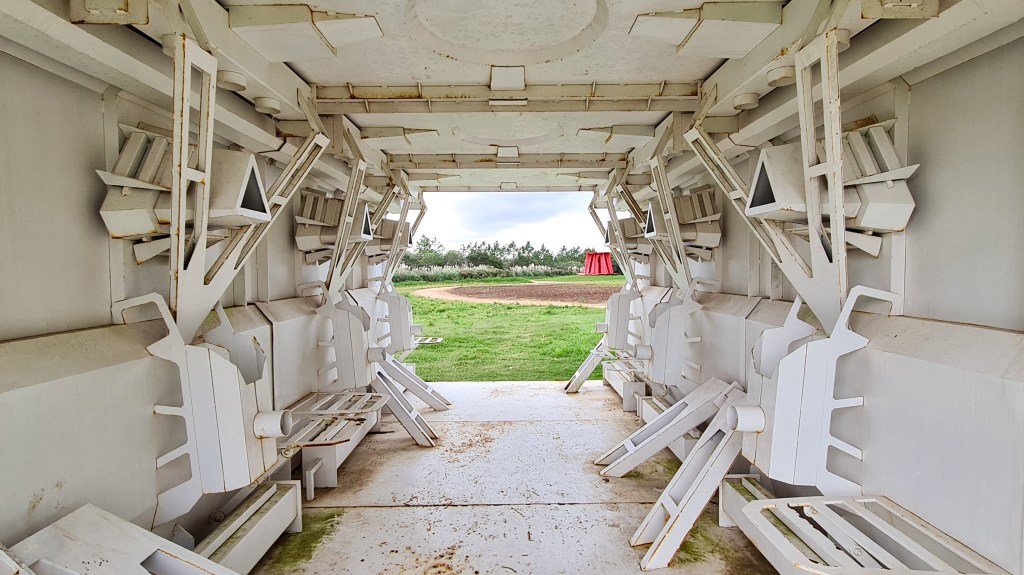
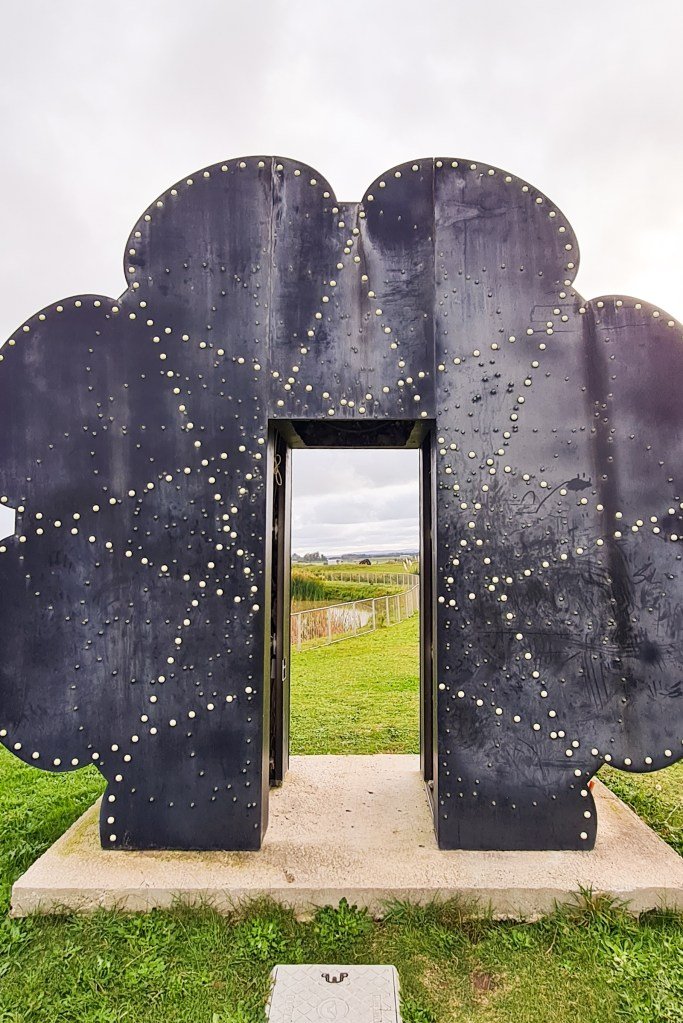
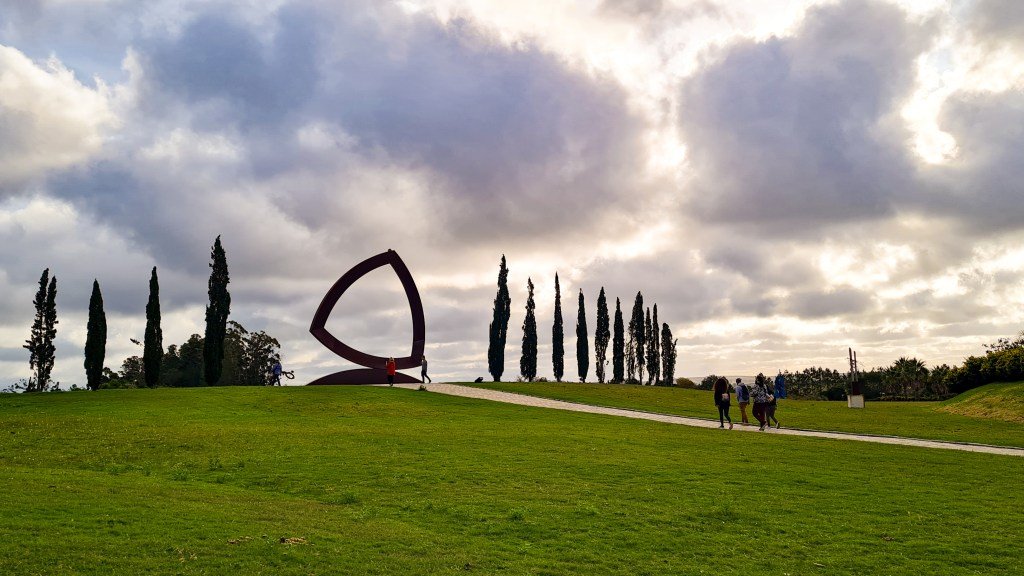
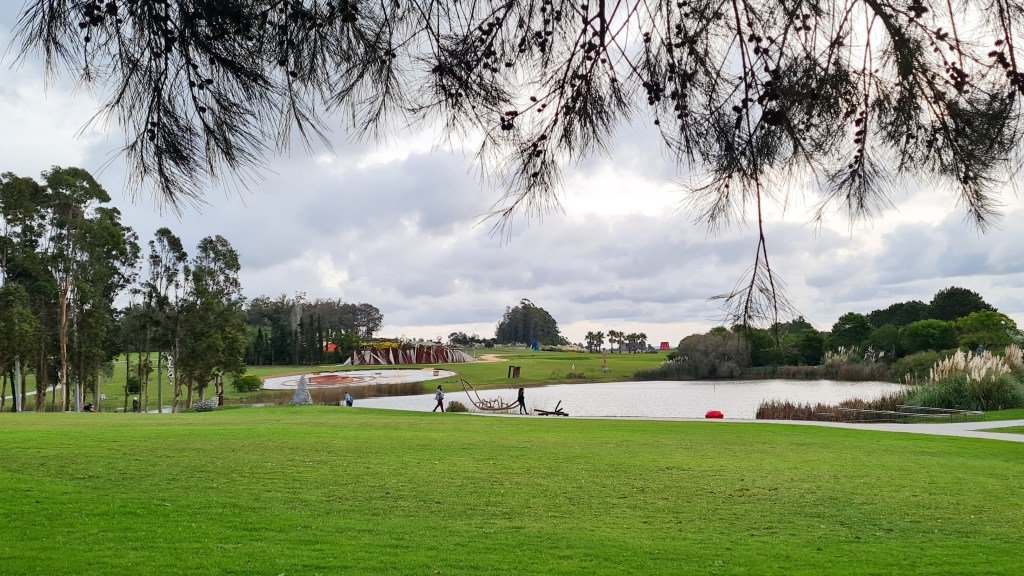
    El Parque de Esculturas de la Fundación Pablo Atchugarry es una experiencia en sí misma. Más de 70 obras de grandes artistas se integran armoniosamente al paisaje natural, creando un diálogo único entre arte y naturaleza.

    Entre las esculturas más destacadas se encuentra La Piedad de Atchugarry -inspirada en la de Miguel Ángel-, dentro de una majestuosa capilla, con una acústica única.
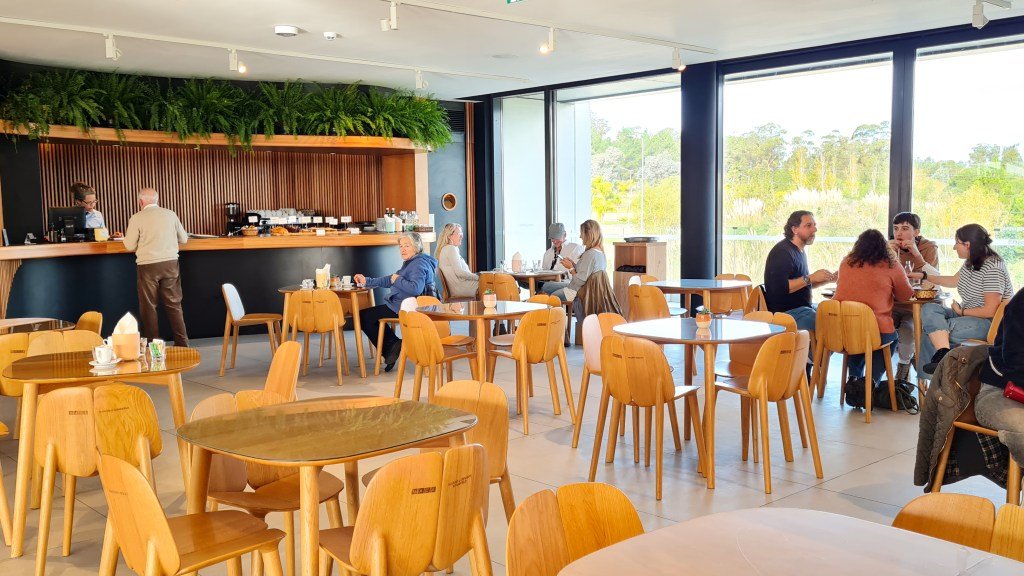
    Pero el MACA es más que un simple museo; también ofrece una amplia variedad de actividades: desde festivales y ciclos de cine hasta conciertos, conferencias, seminarios y talleres educativos, procurando acercar el arte a la comunidad y fomentar su desarrollo.

    Todas las actividades son gratuitas y abiertas al público, en línea con su misión de promover el acceso a la cultura.
    📍Ubicación: Ruta 104, km 4.5, Manantiales, Uruguay

    🕒 Horarios: miércoles a lunes de 10 a 18h

    🎟️ Entrada: Gratuita

    Recomiendo consultar la página web del museo para obtener información actualizada sobre las exposiciones, actividades y horarios.
    ¿Qué te pareció el museo? ¿Te gustaría visitarlo?

    ❤️ Sigamos la conversación en Instagram, Youtube y Facebook 💬

  • Colon Fabrica en Buenos Aires

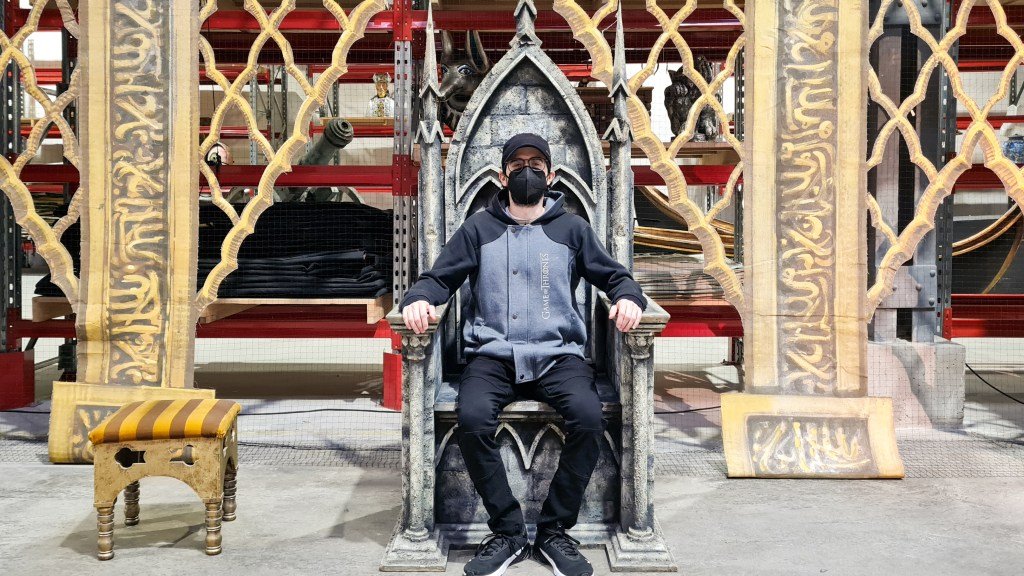
    Con su majestuosa arquitectura y su acústica impecable, el Teatro Colón se encuentra entre los teatros de ópera más prestigiosos del mundo. Y lo hace único el hecho de ser uno de los pocos teatros capaces de crear todo lo necesario para llevar a cabo una producción: desde escenografías hasta vestuario y efectos especiales.

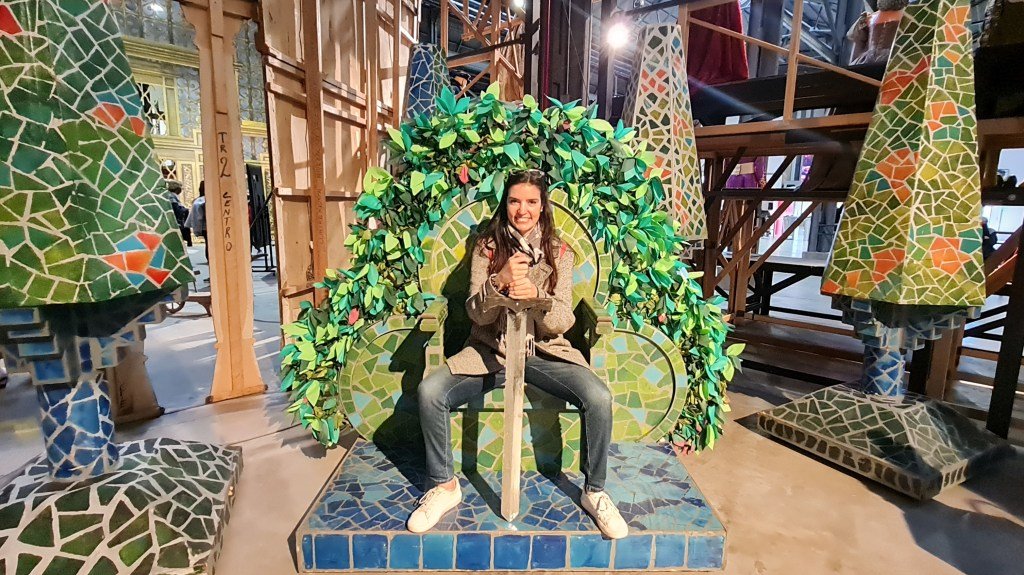
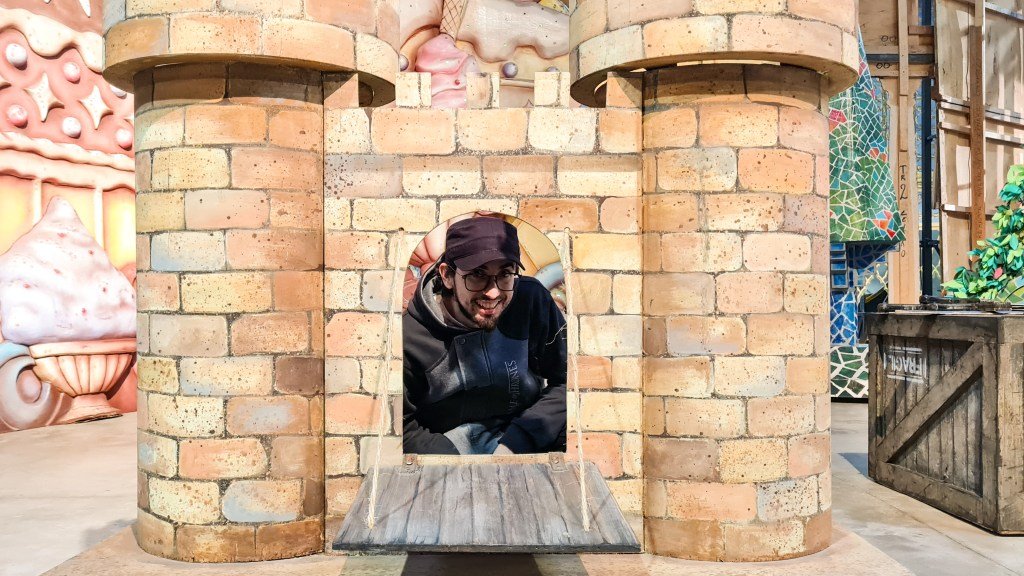
    Inaugurado recientemente al público, Colón Fábrica, su taller principal ubicado en La Boca, nos lleva detrás de escena de algunas de las producciones de ópera y ballet presentadas en los últimos años, incluyendo La Bohème, Rigoletto y Aida.

    Las escenografías, vestuarios y utilería son en ocasiones reutilizados o reconvertidos para futuras obras o incluso alquilados a otros teatros.

    Los que se encuentran en exhibición pueden ser apreciados de cerca e incluso se puede interactuar con ellos, lo cual hace a una visita realmente divertida 😁

    📍Ubicación: Av. Don Pedro de Mendoza 2163, Buenos Aires, Argentina.

    🕒 Horarios: jueves a domingo y feriados de 12 a 18h.

    🎟️ Entrada: con costo.

    Recomiendo consultar la página web de Colón Fábrica de para obtener información actualizada sobre las horarios y precios.

    ¿Qué te pareció el lugar? ¿Te gustaría visitarlo?

    ❤️ Sigamos la conversación en Instagram, Youtube y Facebook 💬

  • Teatro Colon de Buenos Aires

    El Teatro Colón, ubicado en el corazón de Buenos Aires, es un emblema de la ciudad y uno de los teatros de ópera más importantes y prestigiosos del mundo.

    Este magnífico edificio es una mezcla de varios estilos. Su construcción llevó 20 años y se inauguró en 1908. En 2004 cerró sus puertas para someterse a trabajos de mantenimiento y restauración, y volvió a abrir sus puertas en 2010 tal como se lo ve hoy en día.

    El interior está adornado con vitrales, columnas de mármol, lámparas de araña de cristal y oro.

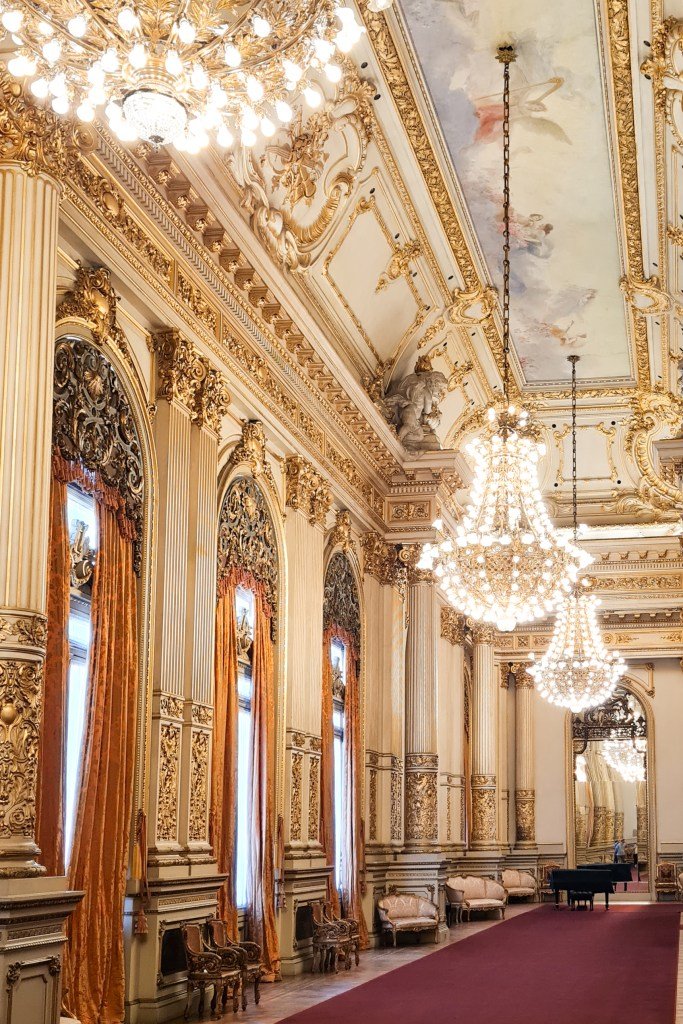
    El teatro cuenta con varias salas y espacios de ensayo, ente los cuales se destaca el Salón Dorado, un salón de recepción suntuosamente decorado con capacidad para 300 personas.

    Its dome, 318 square-meter big, was painted by renowned Argentine artist Raúl Soldi.

    El salón principal es el corazón del teatro, con una capacidad para más de 2.400 personas. Reconocido por su excelente acústica, ha sido escenario de algunos de los cantantes de ópera, bailarines y músicos más famosos del mundo.

    Su cúpula, de 318 metros cuadrados, fue pintada por el reconocido artista argentino Raúl Soldi.

    Desde 1925, el teatro cuenta con su propia orquesta estable, ballet y coro, además de sus propios talleres.

    En resumen, el Teatro Colón es una visita obligada para cualquier persona interesada en el arte y la cultura de Buenos Aires.

    📍Ubicación: Tucumán 1171, Buenos Aires, Argentina.

    🕒 Horarios: todos los días de 10 a 17.

    🎟️ Entrada: con costo.

    Recomiendo consultar la página web del Teatro Colón de para obtener información actualizada sobre las horarios y precios.

    ¿Qué te pareció el lugar? ¿Te gustaría visitarlo?

    ❤️ Sigamos la conversación en Instagram, Youtube y Facebook 💬

    Encuentra otras cosas para hacer en Buenos Aires aquí.

  • Ecoparque de Buenos Aires

    El Ecoparque de Buenos Aires es un fascinante oasis urbano.

    Abrió en 1888 como el primer zoológico de Buenos Aires y latinoamérica, exhibiendo animales exóticos pero más de un siglo después, quedó bajo la lupa por acusaciones de maltrato y negligencia animal. Como resultado, el zoológico cerró sus puertas en 2016 y volvió a abrir como ecoparque, habiendo atravesado una importante transformación y evolucionando hacia un espacio recreativo y educativo que ofrece a los visitantes una oportunidad única para explorar el mundo natural.

    La mayoría de los animales del antiguo zoológico fueron liberados o reubicados por considerarse que las jaulas y los recintos pequeños no son lugares aptos para los animales. Sin embargo, algunos pocos aún permanecen allí, bien a la espera de ser trasladados o porque no pueden ser reubicados debido a su edad, problemas de salud o cuestiones logísticas.

    Debajo comento qué se puede ver y hacer en el Ecoparque.

    🐘 Elefantes

    Pupy y Kuky son dos elefantas africanas que esperan ser trasladadas a un santuario en Brasil. Su recinto no está abierto al público, pero se puede acceder a él en el marco de una visita guiada por una pequeña tarifa. La entrada contribuye a pagar el costo de mantenimiento y su eventual traslado.

    Trasladar animales de semejante tamaño no es tarea fácil. Se necesitaron casi 5 días para llevar a la elefanta asiática Mara del Ecoparque de Buenos Aires a un santuario en Mato Grosso, Brasil, donde se le unirán Pupy y Kuky. Las elefantas Pocha y Guillermina del zoológico de Mendoza también fueron enviadas allí.

    🦒 Girafas

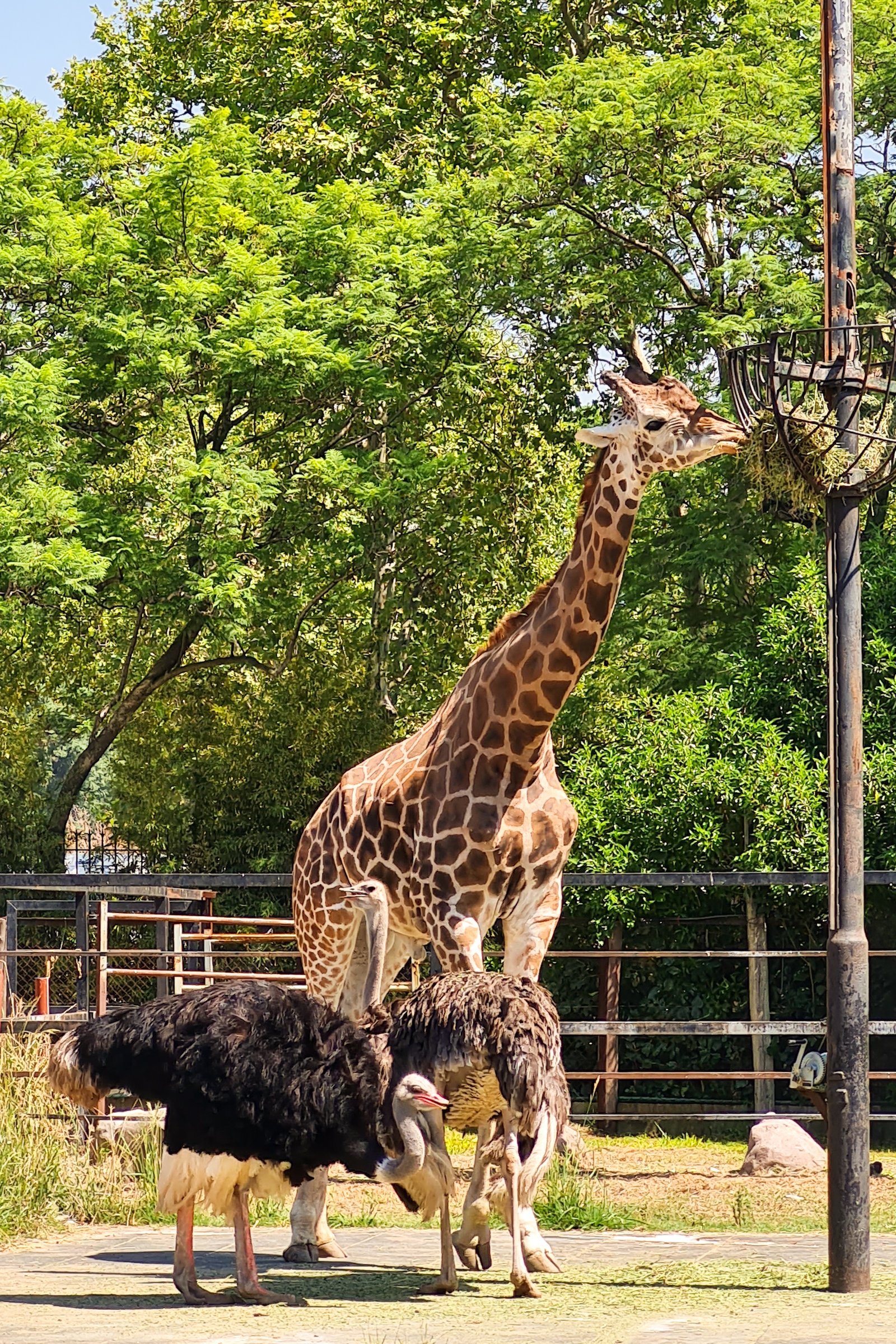
    Hay dos jirafas en el Ecoparque pero no hay planes para reubicarlas. ¿Por qué? Por un lado, no existen santuarios para jirafas en sudamérica. Además, debido a su altura, no se las puede transportar fácilmente por largas distancias y, en particular, no pueden atravesar los puentes de la ciudad.

    Al igual que las jirafas, otros animales como el camello, el hipopótamo y los osos hormigueros que se encuentran en el Ecoparque son demasiado viejos y frágiles como para sobrevivir a un traslado, por lo que se estima que también permanecerán en él por el resto de sus vidas. Aun así, están muy bien cuidados y sus recintos han sido reacondicionados, aprovechando el espacio adicional que quedó libre tras la reubicación de otros animales.

    🦚 Otros animales

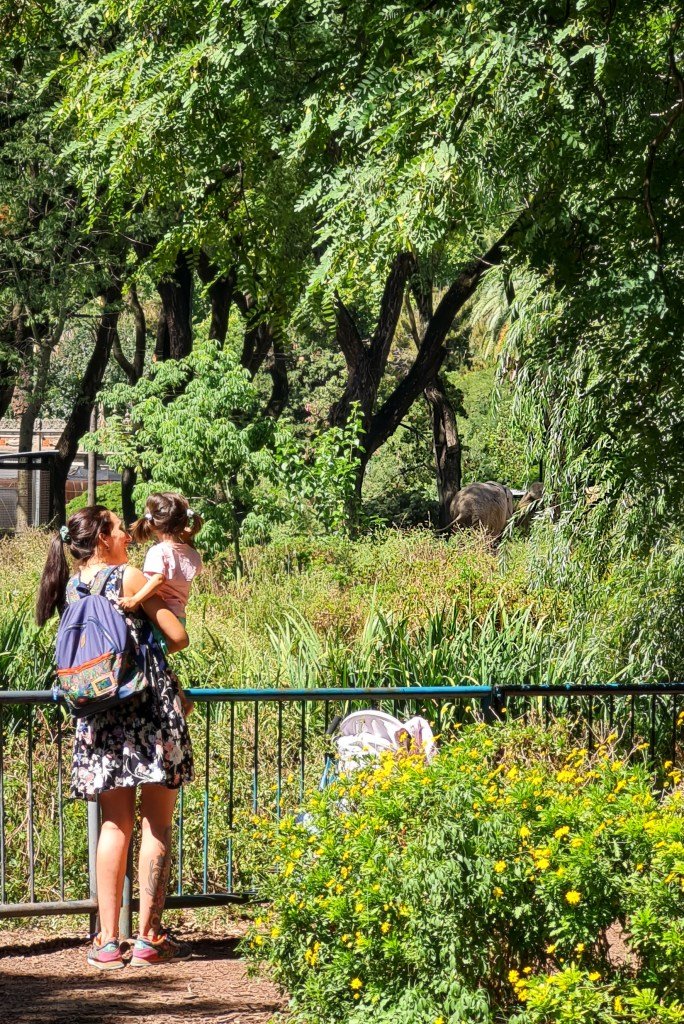
    Algunos animales más pequeños deambulan por el parque con relativa libertad. Tal es el caso de las maras, los pavos reales, los chajás y muchos más. Tener en cuenta hay que mantener las distancias y jamás tocarlos ni molestarlos.

    🦅 Programas de rehabilitación y conservación

    El Ecoparque también recibe animales silvestres que han sido domesticados y se encuentran heridos o en peligro. Son rehabilitados y se evalúa si pueden ser reintroducidos a su hábitat natural. Algunos no pueden ser liberados y permanecen en el parque de forma indefinida. El Ecoparque también cuenta con un programa de reproducción de especies en peligro de extinción.

    🏛️ Patrimonio cultural

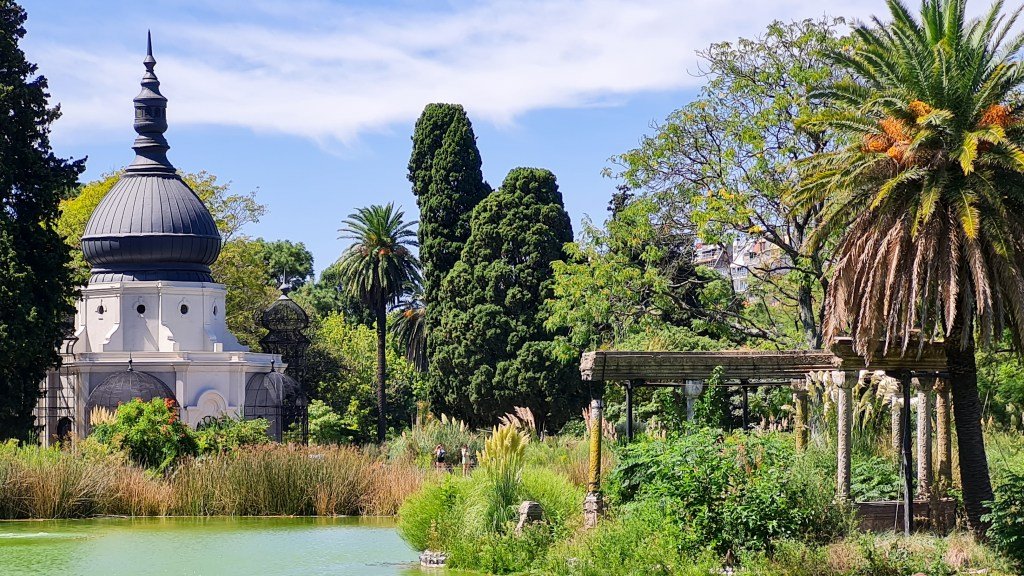
    El parque es muy rico en hitos históricos, con edificios, esculturas y monumentos únicos.

    Ya seas un amante de la naturaleza, un entusiasta de la vida silvestre o simplemente busques pasar un agradable y educativo día, seguro te encantará el Ecoparque de Buenos Aires.

    📍Ubicación: Av. Sarmiento 2601, Buenos Aires, Argentina.

    🕒 Horarios: martes a domingo y feriados de 11 a 18h.

    🎟️ Entrada: gratuita, con actividades con costo.

    Recomiendo consultar la página web del Ecoparque de para obtener información actualizada sobre las horarios y precios.

    ¿Qué te pareció el lugar? ¿Te gustaría visitarlo?

    ❤️ Sigamos la conversación en Instagram, Youtube y Facebook 💬

    Encuentra otras cosas para hacer en Buenos Aires aquí.

  • 10 horas en Buenos Aires

    La emoción y las ansias se acrecentaban a medida que el crucero se acercaba al puerto de Buenos Aires. Estaba volviendo a mi país de origen por primera vez desde nuestra mudanza al extranjero seis meses antes.

    Por el itinerario del crucero, solo contábamos con menos de diez horas para explorar la ciudad. Desembarcamos un poco antes de las 9 de la mañana pero la mayoría de los lugares no abrían hasta las 10 o incluso 11, y teníamos que estar de vuelta a bordo a las 17h. Por eso armamos un itinerario en base a ese horario.

    🚂 Retiro

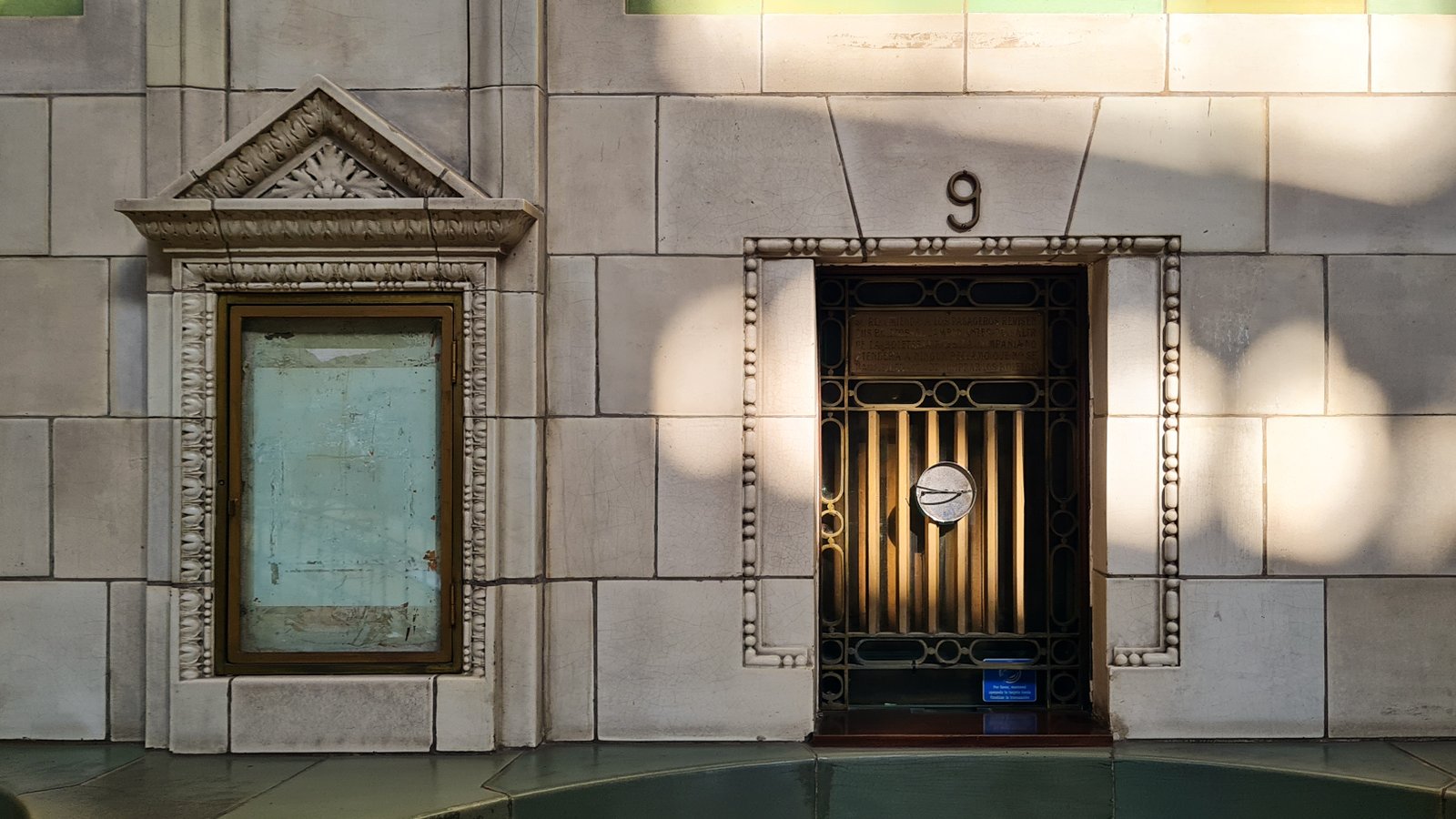
    Salimos de la terminal de cruceros en dirección a Retiro para pasear por la histórica estación de tren y sus alrededores.

    De allí tomamos un colectivo hacia Palermo, que, con un parque de casi 400 hectáreas, mucha vegetación y lagos es, posiblemente, mi barrio favorito. Solía venir aquí para escapar del bullicio de la ciudad, por lo que me encantó regresar.

    🪐 Planetario

    Nuestra primera parada fue el planetario Galileo Galilei. Fue diseñado por el arquitecto argentino Enrique Jan e inaugurado en 1966. Desafortunadamente no pudimos entrar porque aún no había abierto pero pueden ver su interior pero el edificio en sí es una maravilla arquitectónica. Puede conocer su interior de forma virtual aquí 🔭.

    🌷 Rosedal

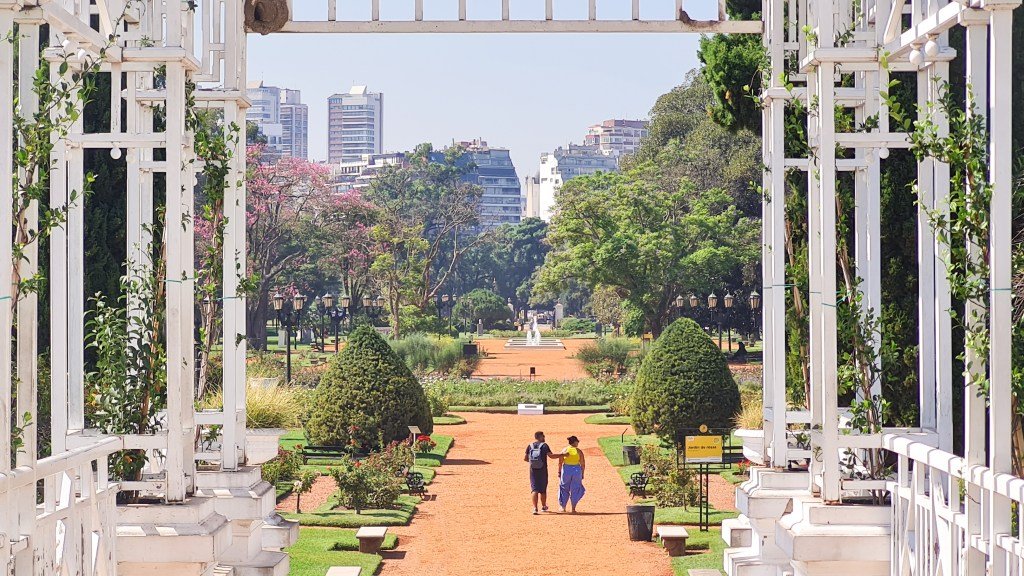
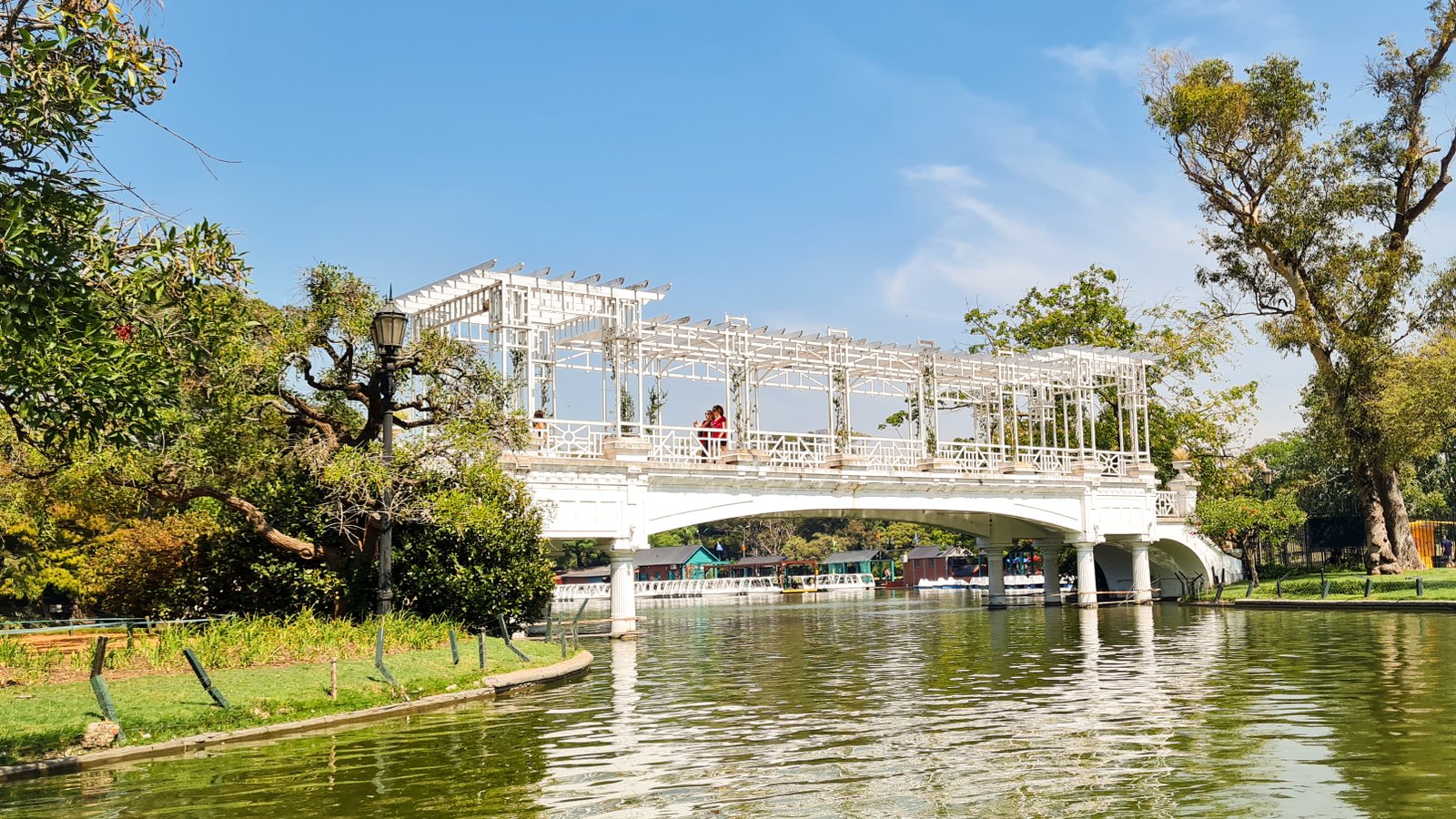
    A continuación fuimos al rosedal, un hermoso jardín con más de 18,000 arbustos de diferentes especies. Deambulamos, cruzamos el puente griego y bordeamos el lago.

    🌳 Lago de Palermo

    Luego decidimos alquilar un bote y pedalear por el lago. Pagamos alrededor de US$5 por la media hora y lo pasamos espectacular. Recomiendo hacerlo 🛶.

    🦒 Ecoparque

    A las 11 de la mañana nos dirigimos al Ecoparque. El mismo abrió sus puertas como zoológico en 1875, exhibiendo animales exóticos. Sin embargo, en los últimos años atravesó una importante transformación, centrándose ahora en el bienestar animal y la conservación.

    🎭 Teatro Colón

    Cerca del mediodía tomamos el subte para llegar al Teatro Colón -un ícono de la ciudad y uno de los teatros de ópera más importantes y prestigiosos del mundo- y hacer una visita guiada.

    Reconocido por su excelente acústica, ha sido escenario de presentaciones de algunos de los cantantes de ópera, bailarines y músicos más famosos del mundo.

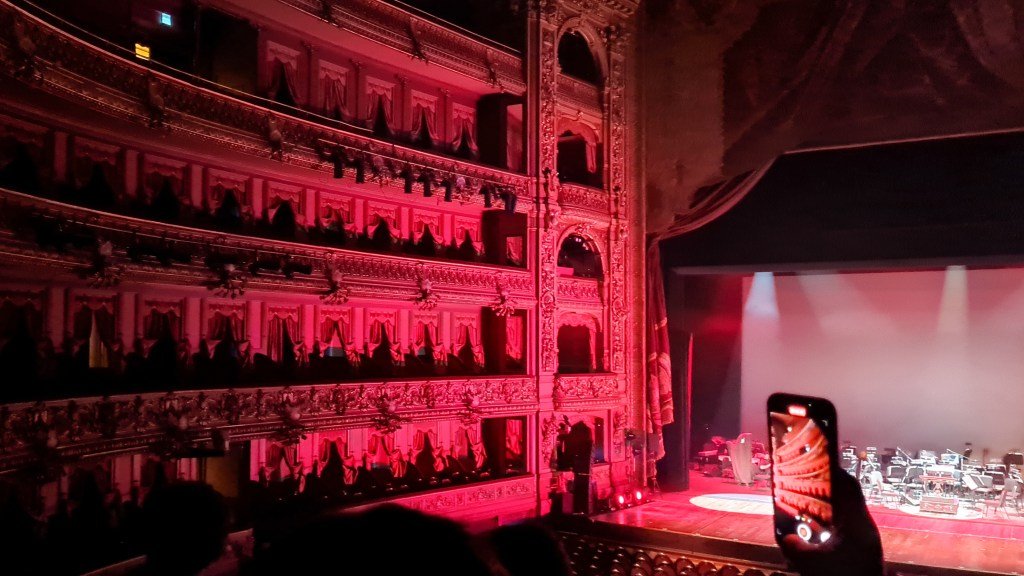
    Durante nuestra visita se estaba llevando a cabo un ensayo en la sala principal del teatro, por lo que no pudimos ver bien la cúpula pintada por Raúl Soldi. Aún así fue una experiencia increíble.

    Recomiendo comprar las entradas para la visita guiada con anticipación, por internet. Si tienen tiempo de sobra, también pueden visitar el taller Colón Fábrica en La Boca.

    Después de un almuerzo rápido en el centro de la ciudad, llegamos a nuestra última parada: el Barolo.

    🏰 Palacio Barolo

    El Palacio Barolo es un edificio de oficinas histórico y emblemático de 100 metros de altura, encargado por Luis Barolo y proyectado por Mario Palanti.

    Su diseño es rico en simbolismo, con numerosas referencias a la Divina Comedia de Dante Alighieri y a la masonería.

    Realizamos una visita guiada por el edificio, recorriendo la torre y el faro, con impactantes vistas 360° de la ciudad. Sin duda, un destino único y fascinante para cualquier aficionado a la arquitectura, la historia y la cultura.

    Para cuando terminó el recorrido ya era hora de regresar al barco, y así finalizó nuestra primera parada del crucero. ¡Gracias por acompañarnos!

    ¿Qué te pareció el recorrido? ¿Conocías estos lugares?

    ❤️ Sigamos la conversación en Instagram, Youtube y Facebook 💬

  • Crucero MSC por Sudamerica

    Disfrutamos tanto nuestro crucero a las Bahamas el año pasado que para las vacaciones de este año decidimos embarcarnos nuevamente en un crucero, pero esta vez más cerca de casa:

    We had such a great time cruising to the Bahamas last year that for our holidays this year we decided to embark on a cruise again, but this time closer to home: through South America.

    We booked an 8-day MSC Musica cruise, departing from Montevideo and stopping at Buenos Aires, Rio de Janeiro, Buzios and Ilhabela.

    Life at sea is great! There’s entertainment, lot’s of food, and amazing views!

    Below are a few of our favorite things:

    📍 Destinations

    The main reason we chose this particular cruise was because of the destination ports. You do get very little time at each port which certainly leaves you yearning for more. But it was definitely a good overview and will definitely be going back for more ✈️

    🪟 The Cabin

    Cabins are comfortable and spacious. We paid for an outside cabin but were upgraded to a balcony one. We loved stepping outside and also listening to the sea from the comfort of our bed 🌊 But in all honesty, we spent little time in it.

    ☀️ The Deck area

    The deck was our favorite place to be, specially during sailaways and to watch the sunset. We also saw quite a few heavy storms in the distance. And it was very close to the buffet 😉

    🍔 The Food

    I mean, who doesn’t love having food at their disposal almost 24/7? It wasn’t the best cruise food we’ve ever had but it was still okay. We usually had breakfast and dinner at the main restaurant and made a few visits to the buffet area throughout the day, always trying to avoid peak hours as it would get too bustling.

    🚢 Exploring the ship

    We had three full days at sea and therefore a lot of time in our hands. Map in hand, we went floor by floor to inspect the different saloons, lounges, decks, the gym and spa, among others. There’s honestly a lot to discover if you just walk around. It’s also a great way to walk off all you’ve eaten 😂 We were always surpassing the 10.000 steps without even intending to 🚶‍♀️

    📷 Modeling around

    We are usually camera shy, but there are so many photographers everywhere eager to take your picture that in the end, we gave in and posed for all of them. Mind you, both the photo package and individual photos are pretty expensive so we didn’t purchase any but we had a lot of fun 🤩

    🎭 Entertainment

    This was probably one of the best things on board. We took part in most activities from dancing, to doing arts and crafts. The entertainment crew was really great and the night shows pretty impressive 💃🕺


    As a final note I’d like to say that it was not all roses. While we had a great trip, there were several issues that left us displeased with the company. I’ll be writing my honest review soon. Stay tuned!

  • A not-so-brief history of the Miami Science Museum

    I recently had the chance to visit the Phillip and Patricia Frost Museum of Science, latest home of Miami’s Science Museum. Below we travel back in time as I share a bit about its rich history.


    🏛️ THE JUNIOR MUSEUM OF MIAMI

    The museum had its genesis in 1949, when a group of women in the Junior League of Miami recognized the need for a science museum in the region and opened a modest Junior Museum of Miami that same year. Merely three years later, the museum was first relocated to a larger space and was renamed Museum of Science and Natural History.

    In 1960, the museum was moved again, this time to Coconut Grove, where it would stay for over half a century. It had an advanced planetarium which would become the location of the Star Gazers TV show.

    The current location of the Science Museum was first envisaged almost 20 years ago to replace that much smaller site in Coconut Grove. In November 2004, Miami-Dade County voters passed a Building Better Communities General Obligation Bond to create a new Miami Science Museum, and in 2009 the City of Miami agreed to lease the museum four acres in Museum Park. The museum was designed by the New York studio of global firm Grimshaw Architects and construction began in 2012.

    In 2015, the Coconut Grove museum closed in advance of the opening of the new museum, but the completion of the latter was actually in jeopardy as legal battles ensued.

    After much back and forth, the Phillip and Patricia Frost Museum of Science, which cost about $305 million to build and whose expected annual operating costs is of $20.7 million, opened in 2017 to much acclaim.

    Now, where did it get its name from? Phillip and Patricia Frost are longtime supporters of South Florida’s arts and culture. They got the museum named after them through a very generous donation of over $45 million dollars to help bring this amazing museum to life.

    Check out this post or watch my Frost Museum vlog (coming soon!) to see some of the cool things you can expect to see there.

  • Visiting the Miami Frost Museum

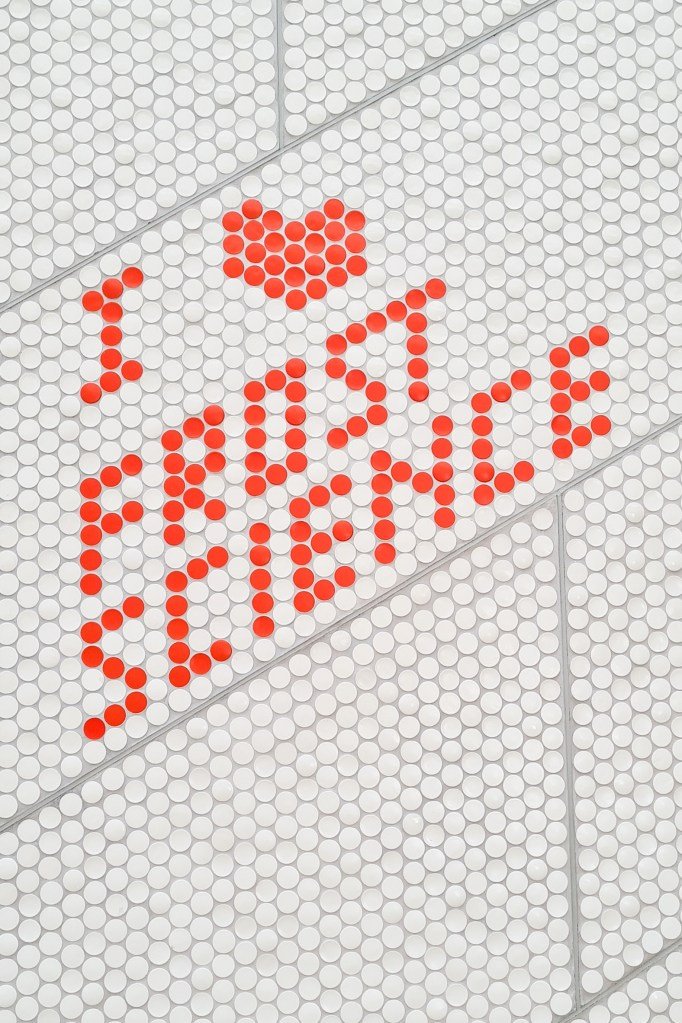
    The Phillip and Patricia Frost Museum of Science, latest home of Miami´s Science Museum, opened in 2017 to much acclaim and consists of a comprehensive museum 🔬, a state of the art planetarium 🪐 and an amazing aquarium 🐠.

    Below I share some of the cool things you can expect to see there.

    If you are not much into reading, you may prefer watching my Frost Museum vlog (coming soon!) 🎥.

    🦑 THE AQUARIUM

    The aquarium is undoubtedly the highlight of the Frost Museum. A trip through the Gulf Stream and South Florida’s multiple aquatic ecosystems, it features 3 levels, each showcasing different subaquatic depths (the Deep, the Dive and the Vista).

    🐟 The Deep

    I´d say the bottom level, The Deep, is the most impressive. That’s where the Oculus is: a 31-foot diameter, 13.5-inches-thick acrylic lens at the bottom of an almost 2-million-liter aquarium tank which mimics the strong Gulf Stream current. Look up and get a sight of the patrolling hammerhead shark, pelagic fish, rays and a rehabilitated loggerhead sea turtle!

    For the sake of honesty I have to say, though, that I was a bit disappointed to see such few animals in the exhibit. I later learned that there were some unexplained losses.

    Anyway, aside from the Oculus, there are also multiple tanks sprinkled throughout this floor with seahorses, soft corals, jellyfish and a myriad of other interesting creatures you get to see up close 🔎.

    🤿 The Dive

    The Dive also displays windows into larger aquariums, including the aforementioned Gulf Stream tank and the underwater worlds of some of South Florida´s habitats such as mangrove forests, beaches and the Everglades wetlands, which can also been seen from above from the top deck.

    🏝️ The Vista

    From the top deck, you get an upper view of the habitats with its crocodiles, spoonbills and the like. Walk through a free-flight aviary or even pet stingrays (though not my thing, really)!

    There is also an amazing view of the adjoining Maurice A. Ferré Park, the port and the Biscayne Bay.

    🪐 PLANTARIUM

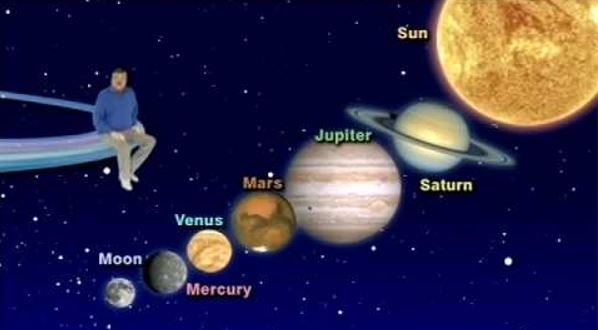
    Back on the ground floor is the state-of-the-art planetarium with a full-dome and a 20-meter-diameter screen.

    With your museum ticket you get access to one of the three shows screening and you may even get an extra admission ticket for free. While the planetarium itself is very nice, the show did feel a bit underwhelming.


    🏛️ OTHER EXHIBITS

    Above I mentioned the main areas of the museum, but there are other multiple exhibits, some permanent, some temporary.

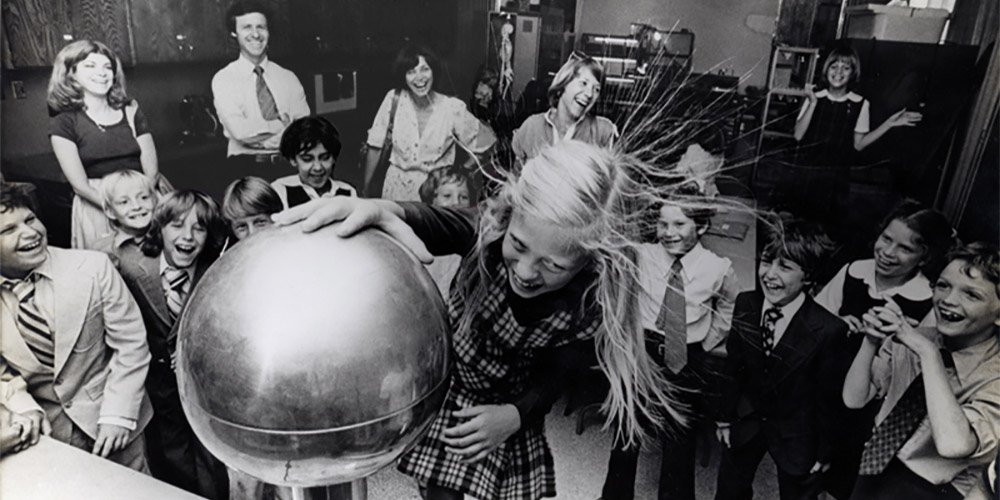
    On the very last floor you will find the Sun Spot ☀️. This exhibition focuses on the science behind the solar system, showing different applications for solar power and methods of utilizing it.

    ⚗️ On the ground floor, there is The Power of Science, an exhibit that showcases groundbreaking scientific research and discoveries regarding the environment, our bodies and the universe.

    We also saw exhibits on mammoths and on the history of flight. But I’ll tell you about them some other time 😉


    Before you go…

    MEET THE FROST

    If you are like me, you may have wondered who Phillip and Patricia Frost were. I thought they were perhaps a scientific power couple, kind of like Pierre and Marie Curie. Well, that is not the case at all.

    Phillip is a self-made billionaire who owned several pharmaceuticals and Patricia Orr worked as a teacher and principal in the public school system until her retirement in 1993.

    Longtime supporters of South Florida’s arts and culture, they got the museum named after them through a very generous donation (what is known as a naming donation). They contributed over $45 million dollars to bring this amazing museum to life.

    Our hope is that youth will receive the highest quality learning opportunities through Frost Science and that they will be exposed to, inspired by and informed through science and technology. This is a commitment to shape, strengthen and hone the educational core of our youth.

    – Dr. Phillip and Mrs. Patricia Frost

    Hope you enjoyed this post 😊. Let me know if you are planning on visiting the Frost Museum or if you already have! 💬

    Until next time,

    Rosario 💃🏻

  • Top things to do in Punta del Este

    Tourists flock by the thousands to Uruguay´s most beautiful city and yes, I was one of them. One could rightly expect little from a place with a permanent population of less than 10,000, but Punta del Este is actually very well equipped to host the over half a million visitors it receives every year.

    Below I am sharing with you some of my favorite things to do when visiting Punta del Este.

    ⚓ THE MARINA

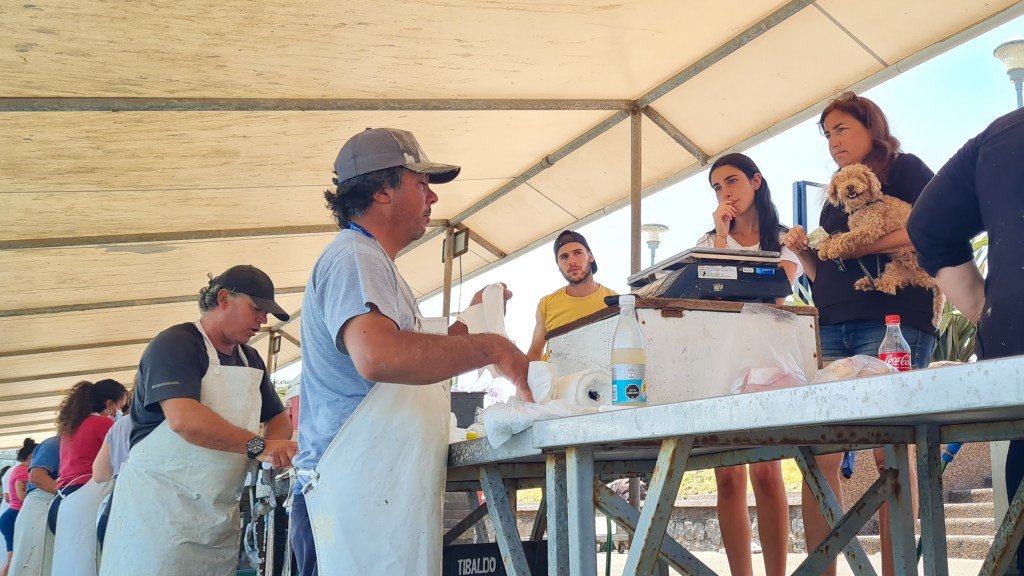
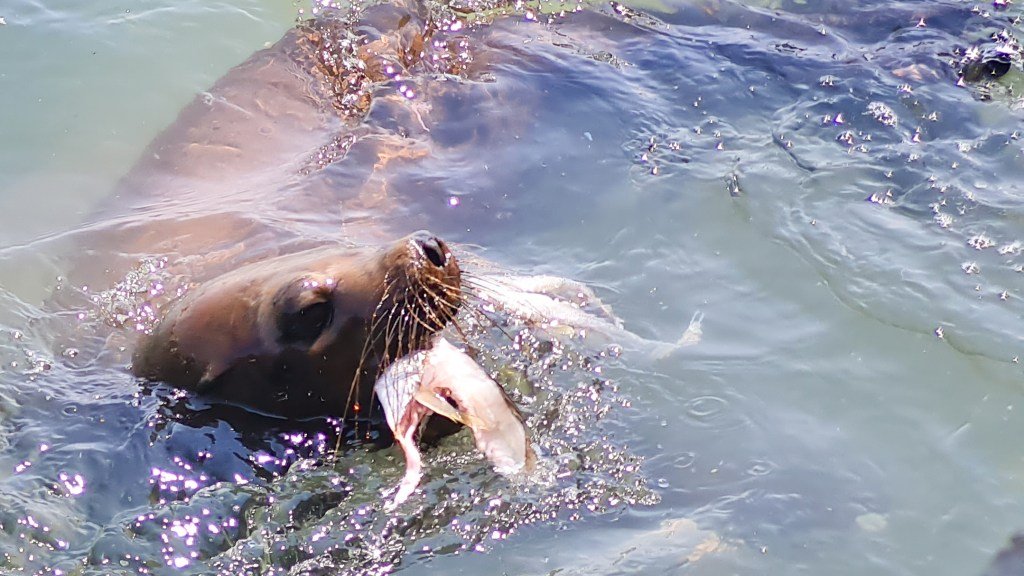
    I would suggest walking over to the marina in the morning. Fishermen at the market discard fish waste onto the waters, attracting sea lions and seagulls alike.

    If you are interested, you can also take a tour to one of the two islands: Isla Gorriti and Isla de Lobos.

    🏖️ ENJOY THE BEACH

    There is A LOT of beach in Punta del Este. The two main ones are La Brava and La Mansa.

    As it faces the Atlantic ocean, La Brava is a breezy beach, with choppy waters and thinner sand.

    La Mansa, on the other hand, looks over the Rio de la Plata and is therefore protected from the wind and currents from the Atlantic, so its waters are calm and gentle, and its sand, thicker. And since you are there…

    ☀️ WATCH THE SUNSET

    The best sunsets can be seen from La Mansa, specially after a storm.

    🎨 CASAPUEBLO

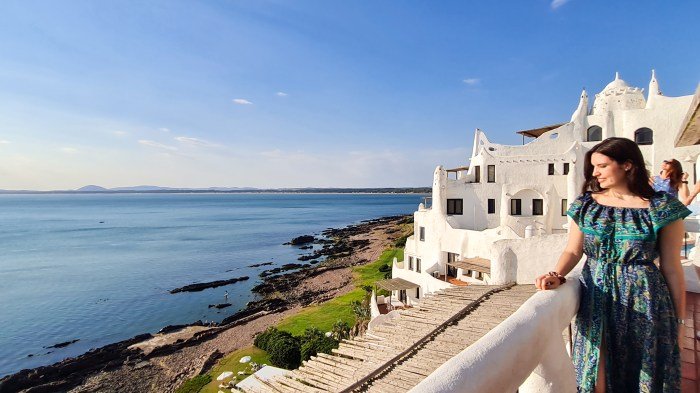
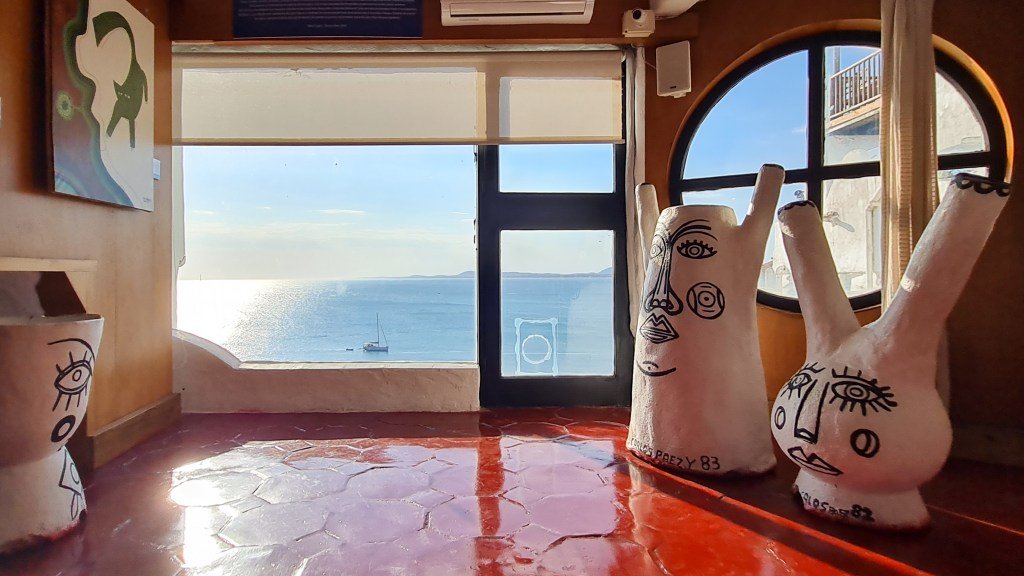
    In Punta Ballena, 15km from Punta del Este, looking over the ocean, Casapueblo is an “ode to art and the sun”.

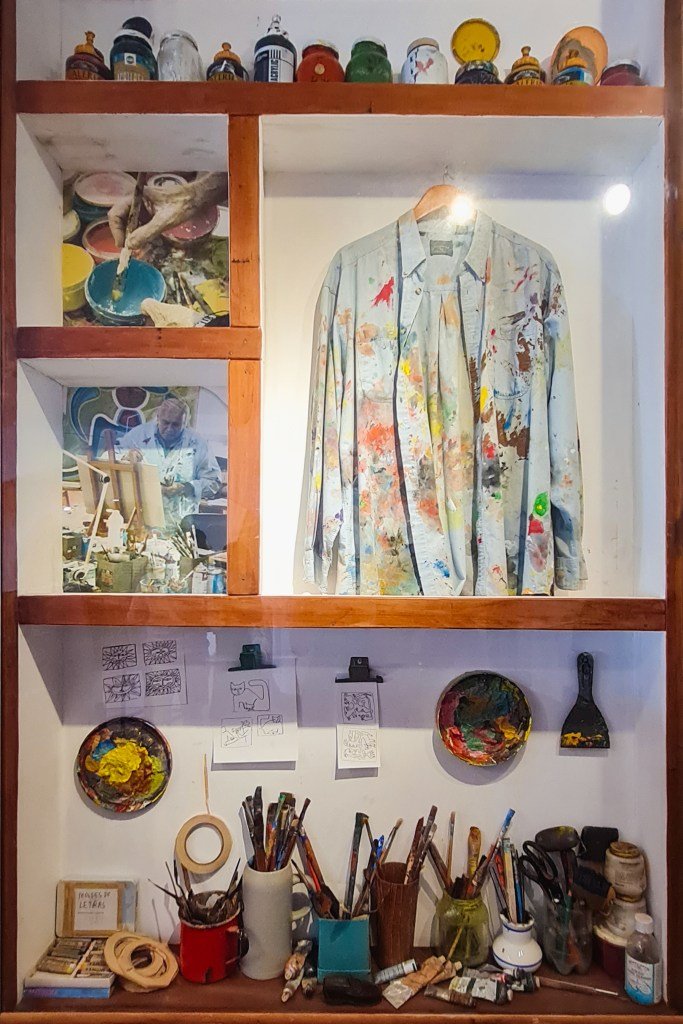
    Artist Carlos Paez Vilaró (1923-2014) built it himself, without any prior knowledge or experience. He started with his own atelier in 1958 and it grew from there. Today, the complex consists of a museum, a restaurant, a hotel and apartments.

    Every day, since 1994, a few minutes before sunset, you can hear Paez Vilaró reading his poem saluting the sun.

    Have a drink at the bar and enjoy the ceremony!

    If you´d like to learch more about Paez Vilaró and Casapueblo, watch this documentary 📺.

    🛸 LA VISTA

    La Vista is a revolving restaurant overlooking the peninsula.

    We went for high tea and got an amazing view of the sunset!

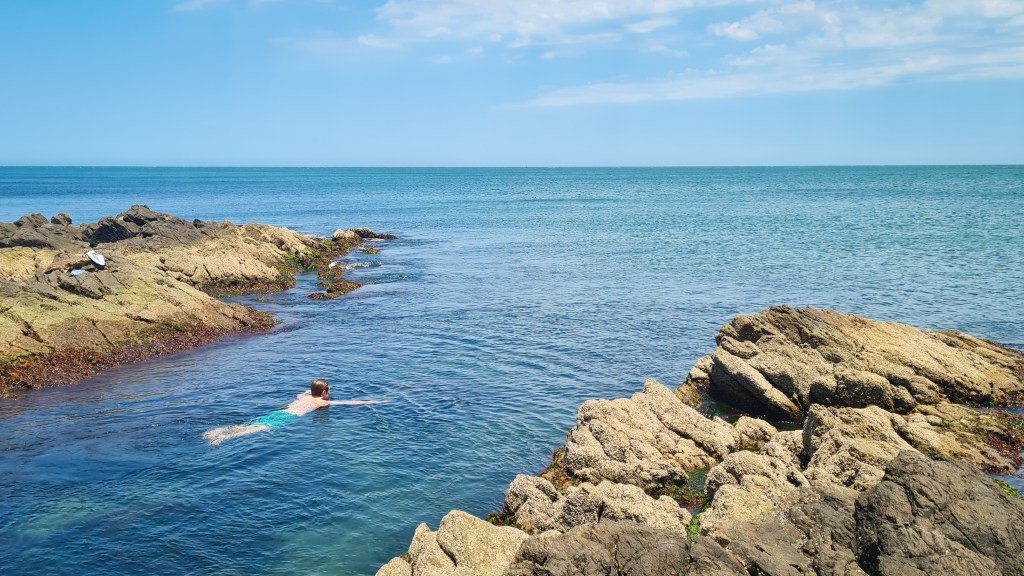
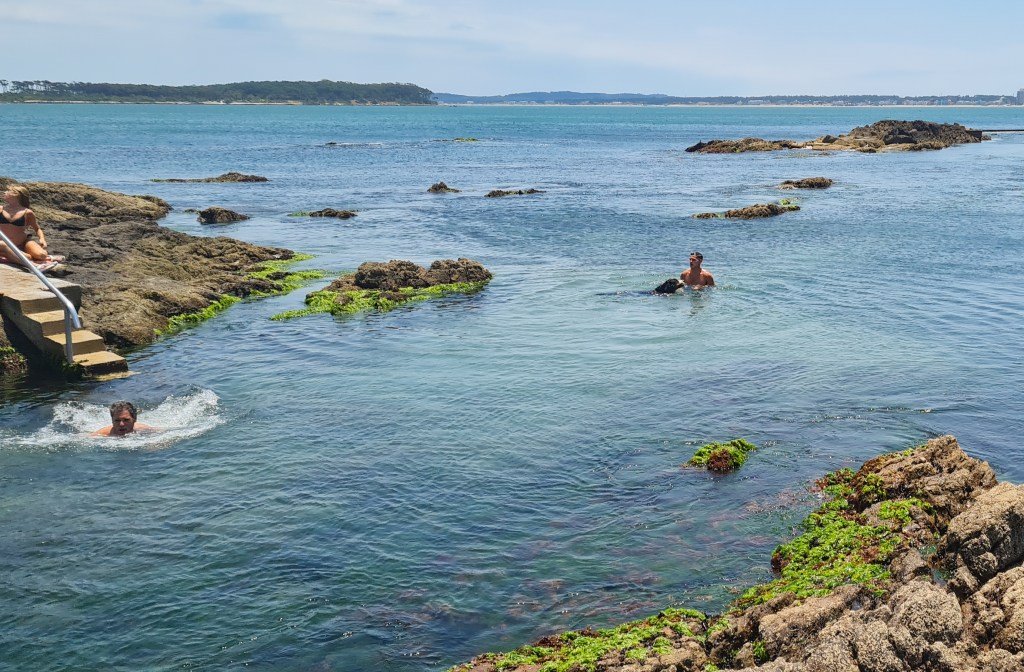
    🏊 LAS MESITAS

    I discovered this area by chance while walking along the seafront.

    Many people come here to snorkel or scuba dive.

    When the weather is calm, the water is still and very transparent, so you get to see some fish and colorful algae.

    🌊 MUSEO DEL MAR

    If you are not much of a beach person or if you are looking for something to do on a rainy day, consider visiting the Museo del Mar.

    The museum contains a rambling collection of over 5,000 specimens of marine fauna, including whale skeletons, fossils and lots of seashells, many of which were found in the area.

    A couple of fun facts I learned on my visit:

    🐙 Octopuses are semelparous animals, which means they have a single reproductive episode, which is fatal. After a female octopus lays a clutch of eggs, she stops eating and wastes away. She will watch over her eggs until they hatch, and then die.

    🐳 Whales are the largest, heaviest mammals on earth, and their weight can only be supported in water, where they have neutral buoyancy and hence their heaviness is dispersed. When stranded on land, gravity will make the body collapse in on itself.


    And there you have it. Above are few cool things to do in Punta del Este. Don´t forget to watch the vlog (upcoming on Youtube) to get a better idea of what these places are like. 😊


    A few family memories!